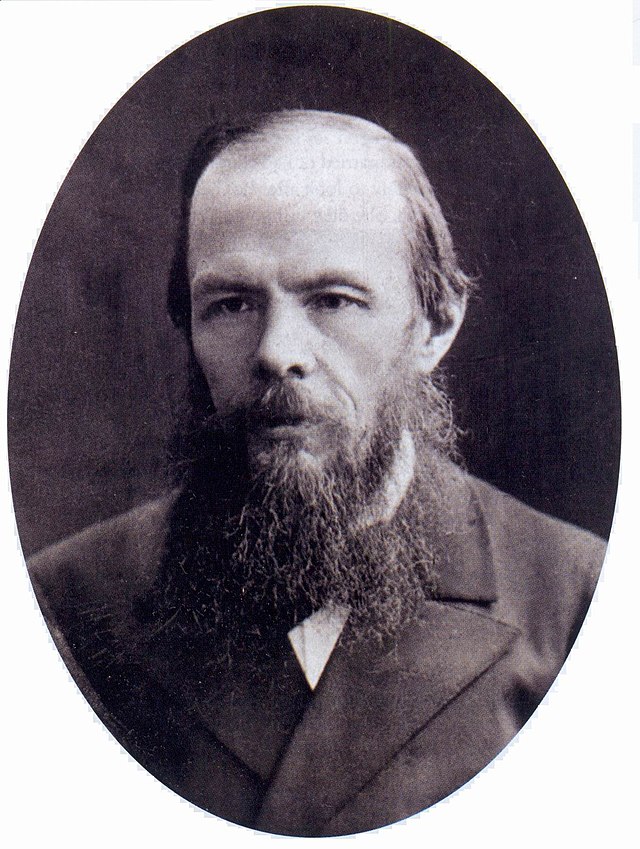
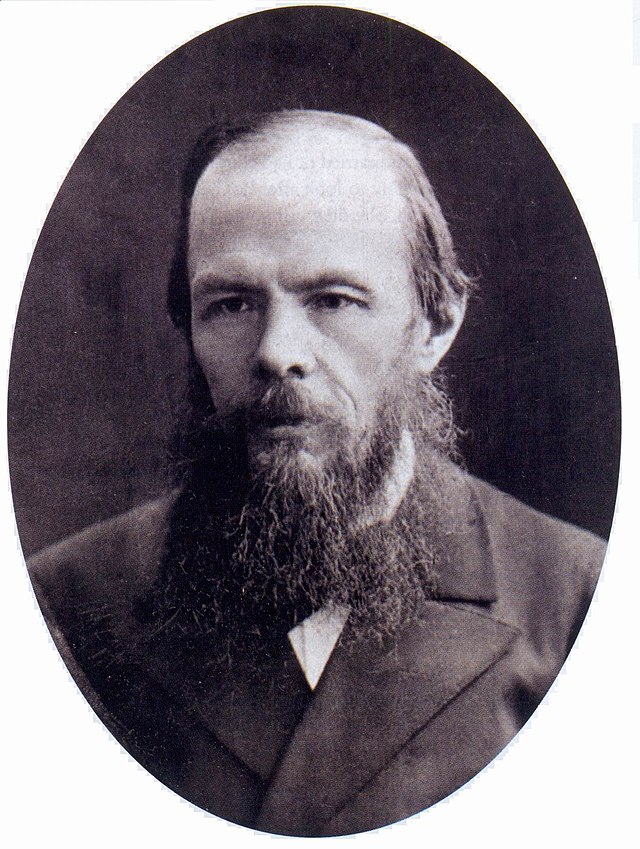
Fiódor Dostoyevsky’s Crime and Punishment is not only a psychological exploration of guilt and redemption; it is also a powerful metaphor for the importance of critical thinking and media literacy in modern society. The protagonist, Raskolnikov, develops a theory that justifies murder if it leads to a greater social good. On the surface, his reasoning appears logical, but deeper reflection reveals its moral flaws. This tension mirrors the challenges we face today when consuming media messages: ideas can seem persuasive, yet they may conceal manipulation or dangerous consequences.
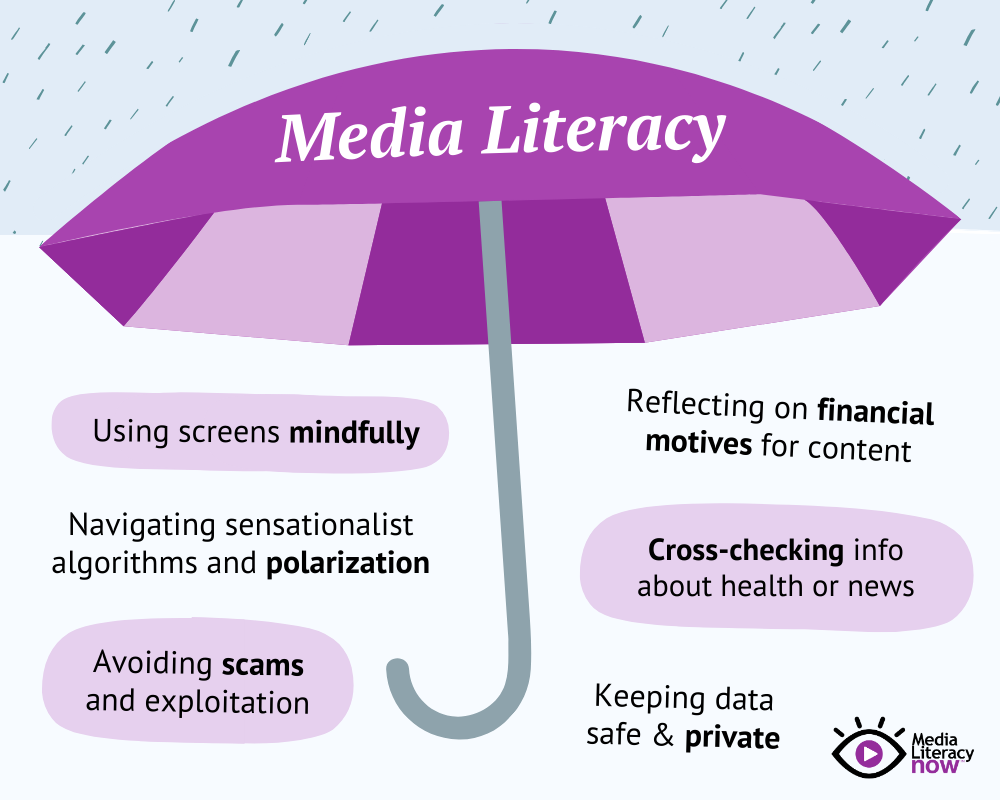
Media literacy refers to the ability to access, analyze, evaluate, and even create messages across different forms of media. It is not just about understanding content, but about questioning who created it, for what purpose, and with what impact. A media-literate individual asks: What is the source? What is the evidence? What is the hidden agenda? In the same way, Dostoyevsky’s novel forces readers to question Raskolnikov’s theory, evaluate its ethical foundation, and consider the broader social consequences of his actions.
Critical thinking is at the heart of both the novel and media literacy. Raskolnikov fails to critically assess his own assumptions, and this failure leads him into psychological torment and eventual punishment. Similarly, when audiences fail to apply critical thinking to media, they risk being misled by propaganda, stereotypes, or false narratives. Just as Raskolnikov’s poverty and isolation shaped his perception, today’s media often frames information in ways that influence public opinion. Recognizing these frames requires adaptability and skepticism.
Moreover, Crime and Punishment illustrates how personal narratives and social contexts shape decision-making. Raskolnikov’s justification for murder reflects a distorted worldview, much like how biased media can distort reality. His eventual confession and redemption highlight the importance of confronting false beliefs and seeking truth. In media literacy, this translates into resisting manipulation and striving for informed, ethical choices.
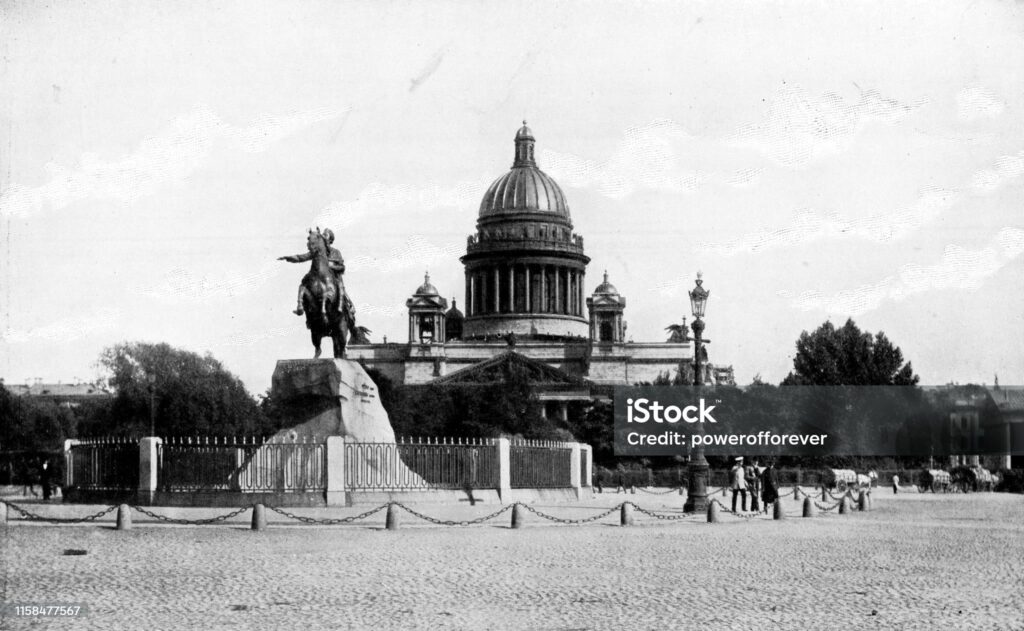
In conclusion, Dostoyevsky’s novel can be read as a timeless lesson in critical engagement with ideas. Just as readers must analyze Raskolnikov’s reasoning beyond its surface logic, modern citizens must analyze media messages beyond headlines and appearances. Both literature and media demand active participation, skepticism, and reflection. By combining critical thinking with media literacy, individuals can resist manipulation, uncover hidden meanings, and pursue truth in a complex world.

Comments are closed